February 2026

Biographies

Pseudo Chrysostom

The identity of the author of the Opus Imperfectum in Matthaeum is one of the great mysteries of early Christian literature. While the work was attributed to St. John Chrysostom for over a thousand years, modern scholarship has confirmed that he did not write it. Here is what we currently know about the “real” author: […]
Biographies

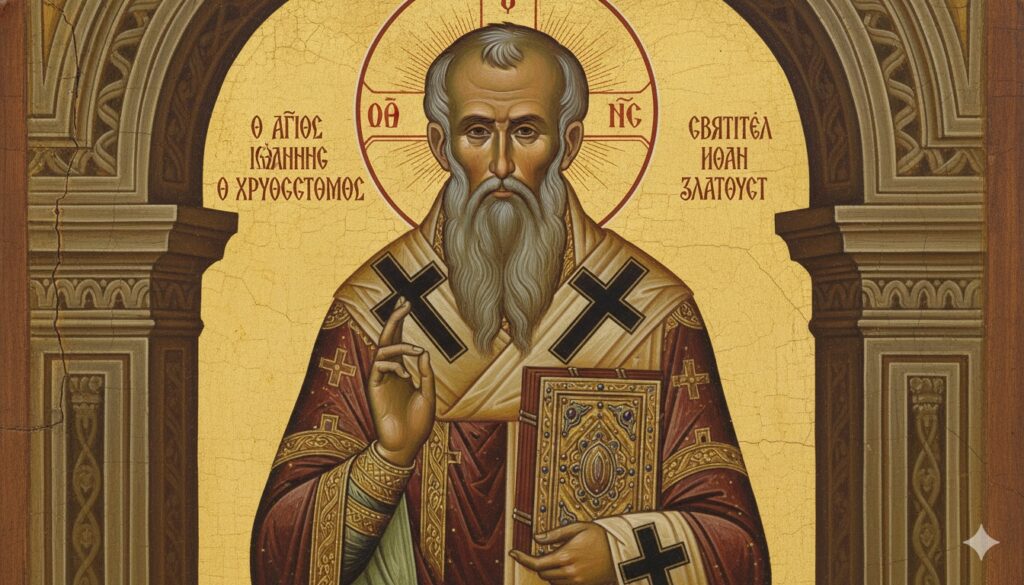
St. John Chrysostom

St. John Chrysostom (c. 347–407 AD) is one of the most celebrated figures in Christian history, renowned as the greatest preacher of the Early Church. His name, Chrysostom (Chrysostomos in Greek), literally means “Golden-Mouthed,” a title he earned due to the exceptional eloquence and moral clarity of his sermons. He is revered as one of

Daily Readings

15 February 2026

Sixth Sunday in Ordinary Time Matthew 5:17-37 “Do not think that I have come to loosen the law or the prophets. I have not come to loosen, but to fulfill.” Do not think that I have come to loosen the law or the prophets. I have not come to loosen, but to fulfill.  Amen I

Daily Readings

14 February 2026

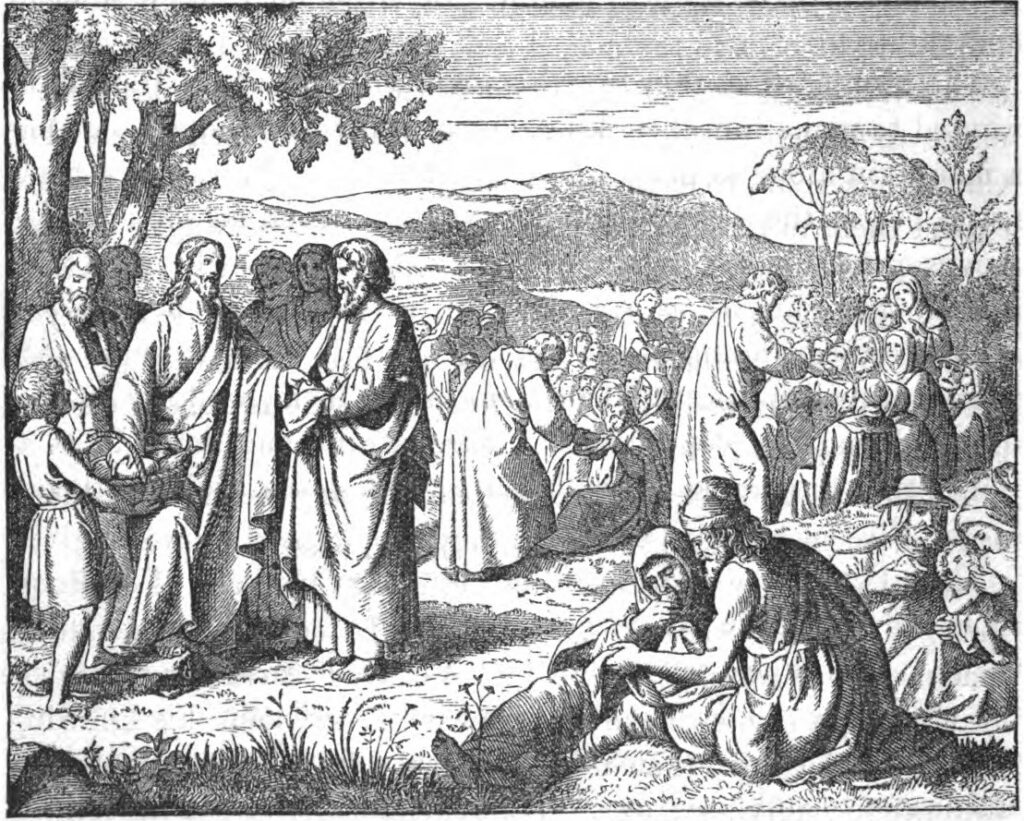
Saturday of the Fifth Week in Ordinary Time Memorial of Sts Cyril and Methodius Mark 8:1-10 “if I were to send them away fasting to their home, they might faint on the way.” In those days, again, when there was a great crowd, and they did not have anything to eat, calling together his disciples,

Biographies

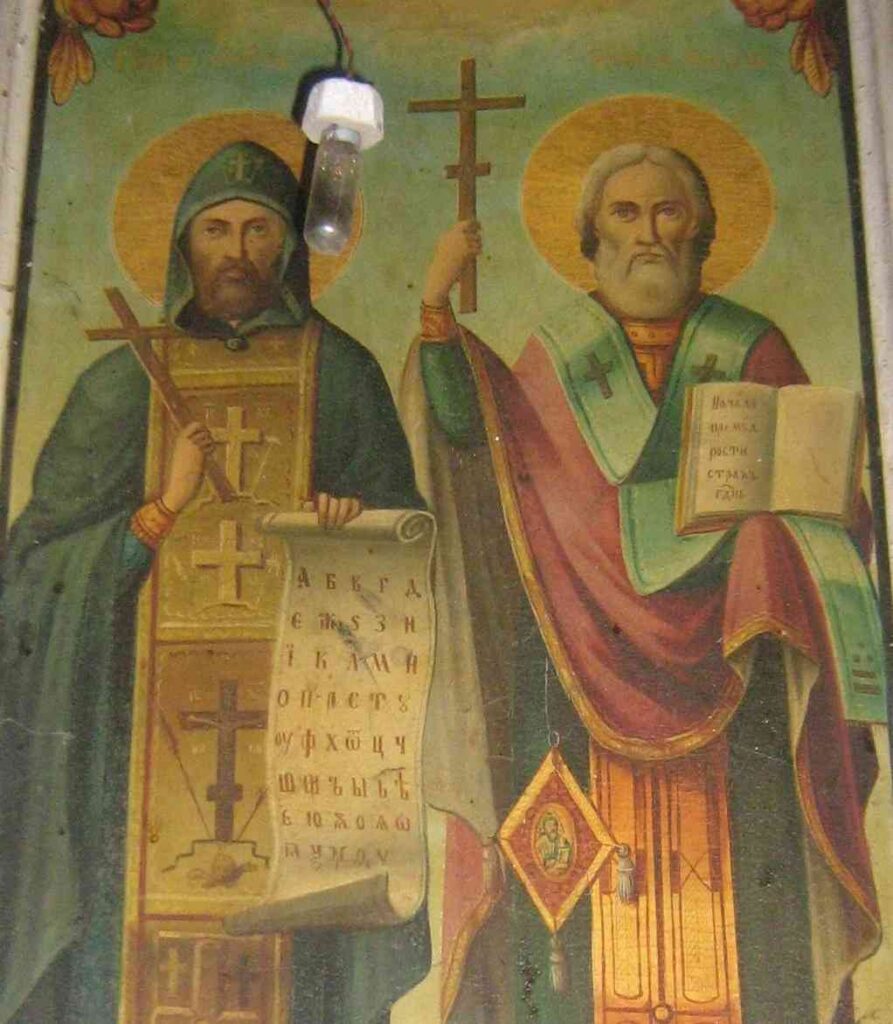
Sts Cyril and Methodius

Saints Cyril (827-869) and Methodius (815-885) were two Byzantine brothers from Thessalonica (modern-day Greece) who became known as the “Apostles to the Slavs.”  Early Life and Careers They were born into a prominent family, their father was a high-ranking military officer. The Great Mission to Moravia In 862, Prince Rostislav of Great Moravia (modern Czech

Biographies

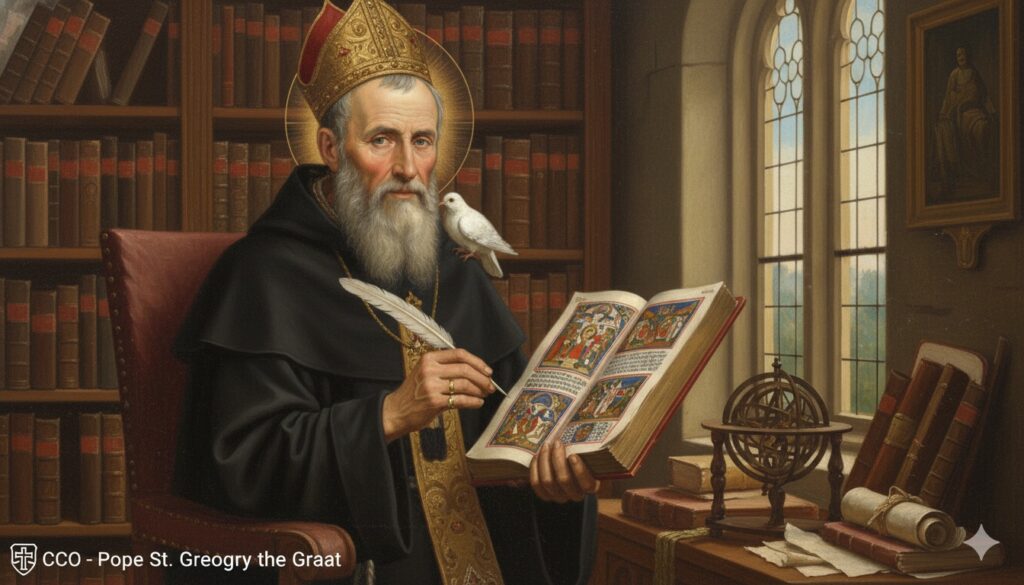
Pope St Gregory the Great

Pope St. Gregory the Great (c. 540 – 604 AD) Pope St. Gregory I (or Gregory the Great) was a Roman statesman, monk, and Pope from 590 to 604 AD. He is one of the most influential figures in the history of the Catholic Church, traditionally counted as one of the four great Latin Doctors

Biographies

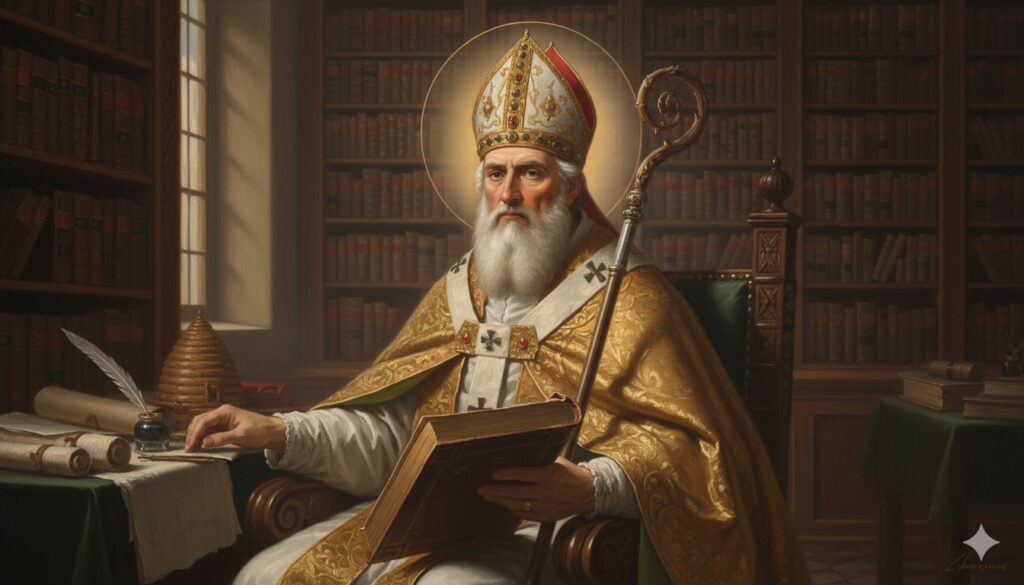
St Ambrose

St. Ambrose of Milan (c. 339 – 397 AD) St. Ambrose (Aurelius Ambrosius) was one of the most influential figures of the 4th-century Roman Empire. He served as the Bishop of Milan and was a key voice in defining Christian doctrine, famously clashing with—and ultimately guiding—Roman emperors. He is counted as one of the four

Biographies

St. Remigius (Remi) of Reims

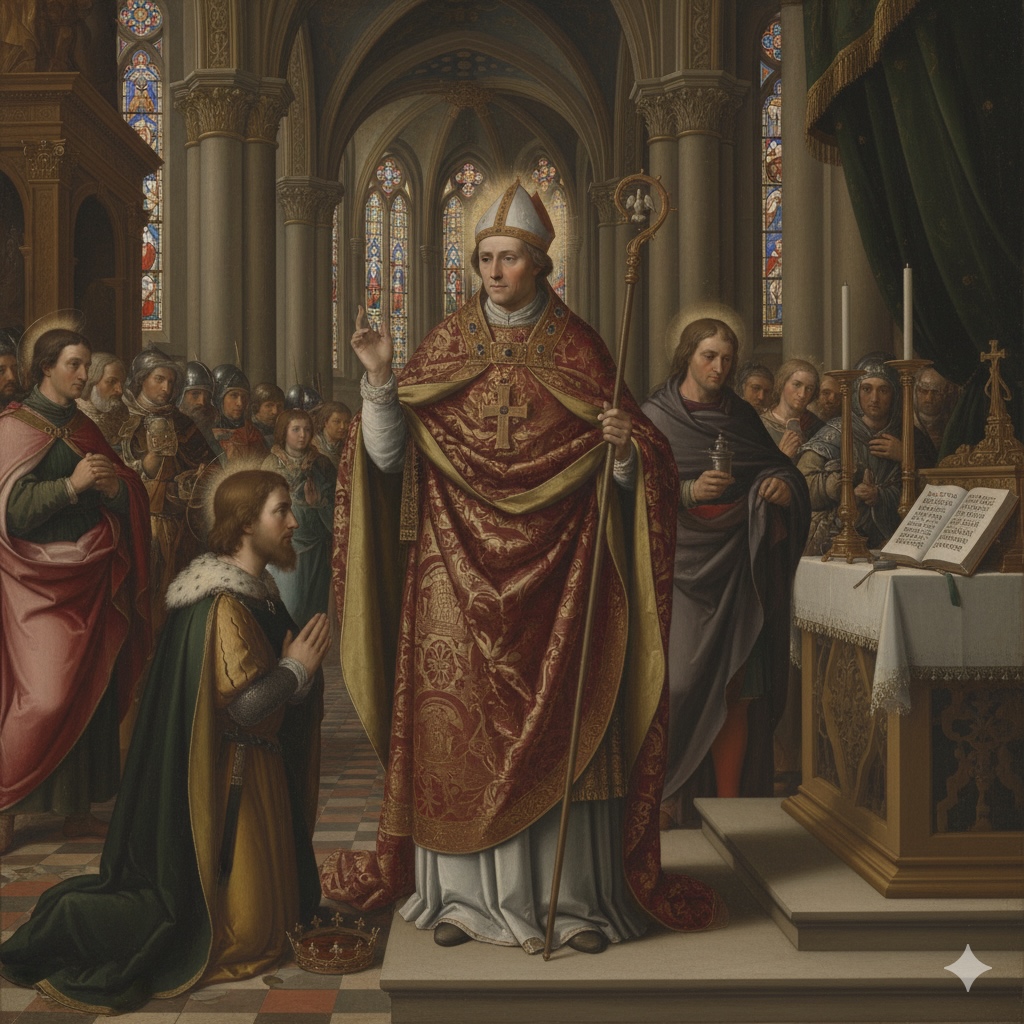
St. Remigius (Remi) of Reims (c. 437 – c. 533 AD) Unlike many saints who came from obscure backgrounds, Remigius was born into the Gallo-Roman aristocracy, the elite class that maintained Roman culture and administrative power even as the Roman Empire was collapsing in the West. St. Remigius (known in French as Saint Remi) was

Biographies

St Thomas Aquinas

St. Thomas Aquinas (c. 1225–1274) The “Angelic Doctor” and Patron Saint of Students and Universities St. Thomas Aquinas was a Dominican friar, philosopher, and theologian who is widely considered one of the greatest thinkers in Western history. He famously bridged the gap between faith and reason, proving that the two could exist in harmony. Early

Biographies

St. Rabanus Maurus

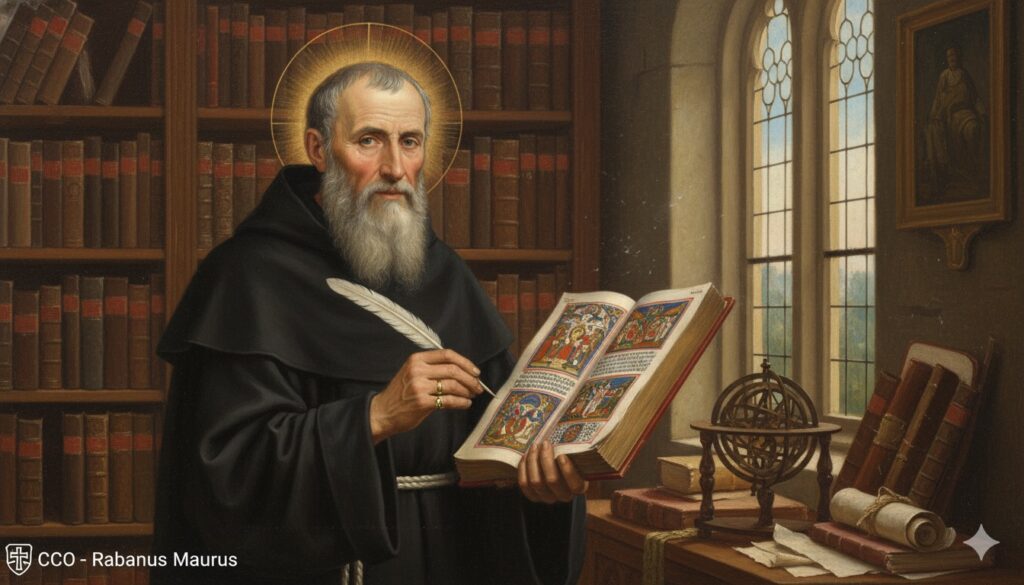
St. Rabanus Maurus (c. 780–856) St. Rabanus Maurus (c. 780–856), also known as Hrabanus, was one of the most towering intellectual figures of the Carolingian Renaissance. He was a monk, teacher, abbot, and archbishop who earned the title Praeceptor Germaniae (“The Teacher of Germany”) for his role in preserving and synthesizing ancient knowledge for the

Scroll to Top