Saints of the day – 21 May
| Cristóbal Magallanes Jara | diocesan priest and leader of the 25 companion martyrs of the Cristero War |
| Agustín Caloca Cortés | Seminary Prefect (executed with Fr. Magallanes) |
| Roman Adame Rosales | Parish Priest & Creator of Catechetical Schools |
| Rodrigo Aguilar Alemán | Parish Priest, Poet, and Journalist |
| Julio Álvarez Mendoza | Rural Parish Priest |
| Luis Batis Sáinz | Parish Priest & Spiritual Director of Catholic Youth |
| Mateo Correa Magallanes | Parish Priest (executed for refusing to break the seal of confession) |
| Atilano Cruz Alvarado | Underground Parish Priest |
| Miguel De La Mora De La Mora | Cathedral Chaplain |
| Pedro Esqueda Ramírez | Parish Priest & Devoted Children’s Catechist |
| Margarito Flores García | Parish Priest & Vicar |
| José Isabel Flores Varela | Chaplain & Founder of a Parish Band |
| David Galván Bermúdez | Seminary Professor & Hospital Chaplain |
| Salvador Lara Puente | Coadjutor Priest (notably young, executed with Fr. Batis) |
| Pedro de Jesús Maldonado Lucero | Parish Priest & Eucharistic Adoration Organizer |
| Jesús Méndez Montoya | Parish Vicar & Musician |
| Justino Orona Madrigal | Parish Priest & Founder of a Religious Congregation |
| Sabas Reyes Salazar | Parish Priest & Underground Educator |
| José María Robles Hurtado | Parish Priest & Writer (founded Sisters of the Sacred Heart) |
| David Uribe Velasco | Parish Priest & Pastor |
| Tranquilino Ubiarco Robles | Underground Priest (set up secret seminary cells) |
| Jenaro Sánchez Delgadillo | Rural Parish Priest |
| Manuel Morales | Baker, storekeeper, and journalist, Husband and Father |
| Salvador Lara Puente | Miner and agricultural worker. |
| David Lara Puente | Rancher and farmworker. |
In 1917, a new Mexican Constitution was enacted under President Venustiano Carranza, which contained severe anti-clerical articles aimed at entirely dismantling the Catholic Church’s presence in public life.
By 1926, the fanatically anti-religious President Plutarco Elías Calles enacted the notorious “Calles Law.” This law actively penalized priests for wearing clerical clothing in public, banned monastic orders, seized all Church property, and shut down religious schools. Priests were required to register with civil authorities to practice, which Father Magallanes and bishops nationwide refused to do, seeing it as an attempt by the atheistic state to control the Sacraments.
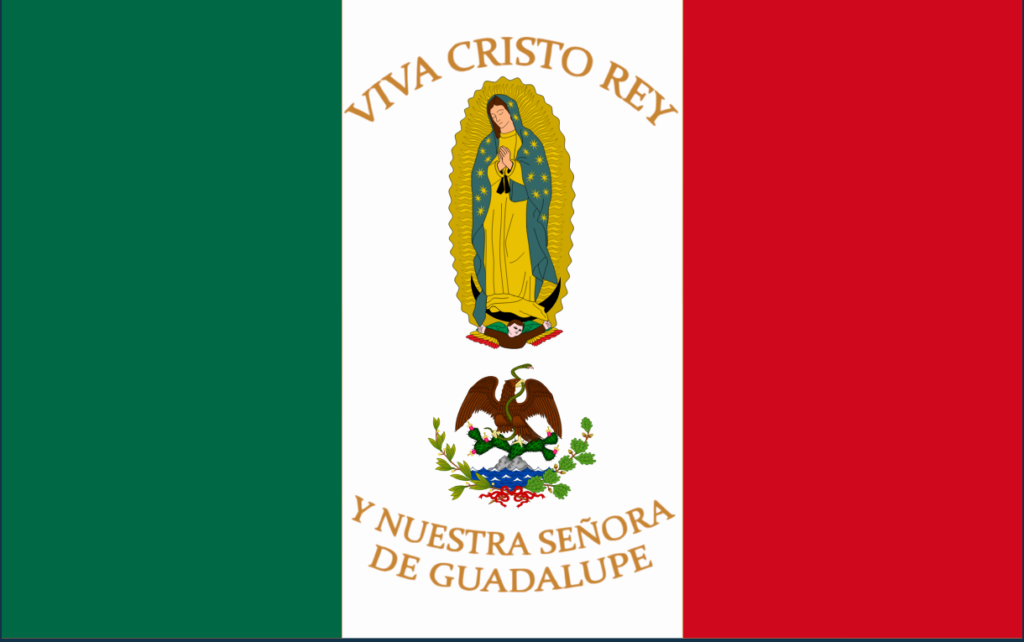
In response to the laws, Mexican bishops suspended public worship across the country. This sparked a massive, armed popular uprising among the Catholic peasantry known as the Cristero War (1926–1929), fighting under the battle cry “¡Viva Cristo Rey!” (Long live Christ the King!).
The capture and execution of Saint Cristóbal Magallanes and his 24 companions follow a harrowing, remarkably consistent pattern. Because the anti-clerical “Calles Law” essentially criminalized the basic functions of the priesthood, these men were treated by the Mexican federal government not as religious figures, but as political treasonists and illegal insurgents.
The federal troops used specific tactics to capture them, followed by swift, brutal methods of execution.
How They Were Captured
The martyrs were rarely caught out in the open; they were hunted down through espionage, betrayal, and targeted military raids:
- Raids on Clandestine Masses: Many, like Saint Cristóbal Magallanes and Saint Toribio Romo, were captured while traveling to remote ranches or hiding in secret locations (like abandoned buildings or private homes) to celebrate the Sacraments. Federal soldiers would surround a suspected house at dawn, breaking down doors to catch priests in the act of praying or administering the Eucharist.
- Bounties and Betrayal: The government heavily incentivized locals to turn in their pastors. Some martyrs were captured because local informants or beggars, desperate for money, revealed their hiding spots to the military.
- Guilt by Association: The three laymen (David, Manuel, and Salvador) were captured simply because they stepped forward to defend their parish priest, Father Luis Batis, when he was arrested. The military viewed any defense of a priest as an act of war against the state.
The Total Absence of Trials
A defining feature of the Magallanes Companions’ martyrdom is that virtually none of them received a trial.
Once captured, they were typically taken to local municipal palaces, military barracks, or nearby stables used as makeshift prisons. Because the government wanted to avoid the public outrage and international press that a formal trial would attract, military generals were given absolute authority to order summary executions on the spot. Priests were falsely labeled as “Cristero generals” or “rebel financial backers” to provide a quick legal cover for their immediate liquidation.
On May 21, 1927, Father Magallanes was traveling to a remote farm to celebrate Mass when he was captured by Mexican federal troops.
He was falsely accused of inciting the armed Cristero rebellion and organizing an ambush against federal forces in the area. He was taken to the town of Colotlán and imprisoned alongside his young vicar, Father Agustín Caloca.
Four days later, on May 25, 1927, the two priests were led out to the courtyard of the municipal palace to be executed by a firing squad without a trial. Seeing his young curate trembling, Father Magallanes comforted him, saying, “Be attentive, son, it is only a moment and then heaven.”
Before the soldiers opened fire, Father Magallanes gave away his remaining personal possessions to his executioners, granted them absolution, and loudly declared his final words:
“I die innocent, and I ask God that my blood may serve to unite my Mexican brothers.”
Methods of Execution
The Mexican federal army used two primary, brutal methods to execute the martyrs, designed to maximize terror and make examples of them to the local populations:
A. The Firing Squad (El Fusilamiento)
This was the most common method of execution for the group, including Saint Cristóbal Magallanes and his vicar, Agustín Caloca.
- The Ritual: The victims were marched into the courtyards of town halls, the outer walls of local cemeteries, or against police station walls.
- The Final Moments: The soldiers routinely offered the priests a chance to save their lives if they would sign a document swearing allegiance to the Calles government and renouncing their vows. When they refused, they were lined up.
- The Coup de Grâce: It was common for the initial volley of bullets to leave the martyrs severely wounded but still alive. The commanding officer would then step forward and deliver a coup de grâce—a final pistol shot directly to the head at close range.
B. Public Hanging (El Linchamiento)
For several of the priests, the military chose hanging over a firing squad, specifically using public plazas to maximize the psychological impact on the Catholic citizenry.
- Saint Rodrigo Aguilar Alemán: When he was captured, the soldiers led him to the main plaza of Ejutla and put a noose around his neck. To torture him psychologically, the executioners repeatedly tightened the rope, pulled him off the ground until he began to suffocate, and then lowered him back down, asking: “Who lives?” hoping he would say “The Supreme Government!” Each time they lowered him, Rodrigo choked out the same answer: “¡Viva Cristo Rey!” (Long live Christ the King!). Enraged, they hanged him completely.
- Saint José María Robles Hurtado: Known as an exceptionally gentle pastor and writer, he was led out to an oak tree at midnight. In an act of profound Christian serenity that stunned his executioners, Father Robles took the noose from the soldier’s hands, kissed it tenderly (treating it like a priestly liturgical stole), and adjusted it around his own neck so the soldiers wouldn’t have to dirty their hands.
Post-Mortem Desecration
To ensure the martyrs did not become rallying symbols, the federal forces frequently prohibited families from retrieving the bodies immediately, leaving them exposed in public squares or dumping them in unmarked graves.
However, this backfired completely. Local Catholics routinely risked their lives under the cover of night to steal the bodies away, wrap them in clean linens, and preserve their blood-soaked clothing as relics—safeguarding the very history that eventually led to their canonization.
Canonization:
On May 21, 2000, John Paul II canonized Saint Cristóbal Magallanes and his 24 companion martyrs (21 priests and 3 laymen) before a crowd of tens of thousands in St. Peter’s Square.
Source:
Vatican’s biographical archives for the Jubilee Year 2000 martyrs