
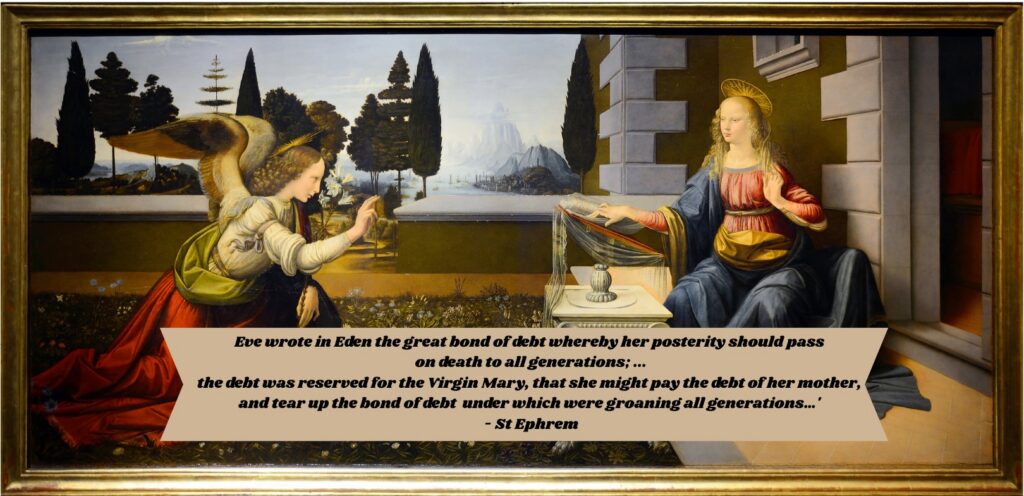

Gospel Reading: Matthew 9:35-38
And Jesus went about all the cities and villages, teaching in their synagogues and preaching the gospel of the kingdom, and healing every disease and every infirmity.
When he saw the crowds, he had compassion for them, because they were harassed and helpless, like sheep without a shepherd.
Then he said to his disciples, “The harvest is plentiful, but the labourers are few; pray therefore the Lord of the harvest to send out labourers into his harvest.”
What do the Fathers say?
St John CHRYSOSTOM. The Lord would refute by actions the charge of the Pharisees, who said, He casts out dæmons by the Prince of the dæmons; for a dæmon having suffered rebuke, does not return good but evil to those who have not shown him honour. But the Lord on the other hand, when He has suffered blasphemy and disdain, not only does not punish, but does not utter a hard speech, rather He shows kindness to them that did it. Herein He teaches us not to return accusations to them that accuse us, but kindness. For he that ceases to do good because of accusation, shows that his good has been done because of men. But if for God’s sake you do good to your fellow-servants, you will not cease from doing good whatever they do, so that your reward may be greater.
St JEROME. Observe how equally in villages, cities, and towns, that is to great as well as small, He preaches the Gospel, not respecting the might of the noble, but the salvation of those that believe.
He first preached and taught, and then proceeded to heal sicknesses, that the works might convince those who would not believe the words.
St REMIGIUS. It should be known that those whom He healed outwardly in their bodies, He also healed inwardly in their souls.
Christ shows in Himself the disposition of the good shepherd and not that of the hireling. Why He had compassion for them is added, because they were harassed and helpless, like sheep without a shepherd.—harassed either by dæmons, or by diverse sicknesses and infirmities.
For the number of the Apostles was small in comparison of so great crops to be reaped. The Lord exhorts His preachers, that is, the Apostles and their followers, that they should daily desire an increase of their number; Pray ye therefore the Lord of the harvest, that he would send forth labourers into his harvest.
St John CHRYSOSTOM. He privately insinuates Himself to be the Lord; for it is He Himself who is Lord of the harvest. For if He sent the Apostles to reap what they had not sown, it is manifest that He sent them not to reap the things of others, but what He had sown by the Prophets. But since the twelve Apostles are the labourers, He said, Pray ye the Lord of the harvest, that he would send labourers into his harvest.
He added none to their number, but rather He multiplied those twelve many times, not by increasing their numbers, but by giving them more abundant grace.
St HILARY. Figuratively; When salvation was given to the Gentiles, then all cities and towns were enlightened by the power and entrance of Christ, and escaped every former sickness and infirmity. The Lord pities the people troubled with the violence of the unclean Spirit, and sick under the burden of the Law, and having no shepherd at hand to bestow on them the guardianship of the Holy Spirit.
But of that gift there was a most abundant fruit, whose plenty far exceeded the multitude of those that drank thereof; no matter how many take of it, yet an inexhaustible supply remains; and because it is profitable that there should be many to minister it, He bids us ask the Lord of the harvest, that God would provide a supply of reapers for the ministration of that gift of the Holy Spirit which was made ready; for by prayer this gift is poured out upon us from God.
Sources:
Bible readings from the Revised Standard Version of the Bible, Second Catholic Edition, copyright © 2006 National Council of the Churches of Christ in the USA
Quotes of the Fathers from Thomas Aquinas’ Catena Aurea Translated by St John Henry Newman
Artwork ex Wikimedia Commons