
John 3:16-21
For God so loved the world that he gave his only Son, that whoever believes in him should not perish but have eternal life.
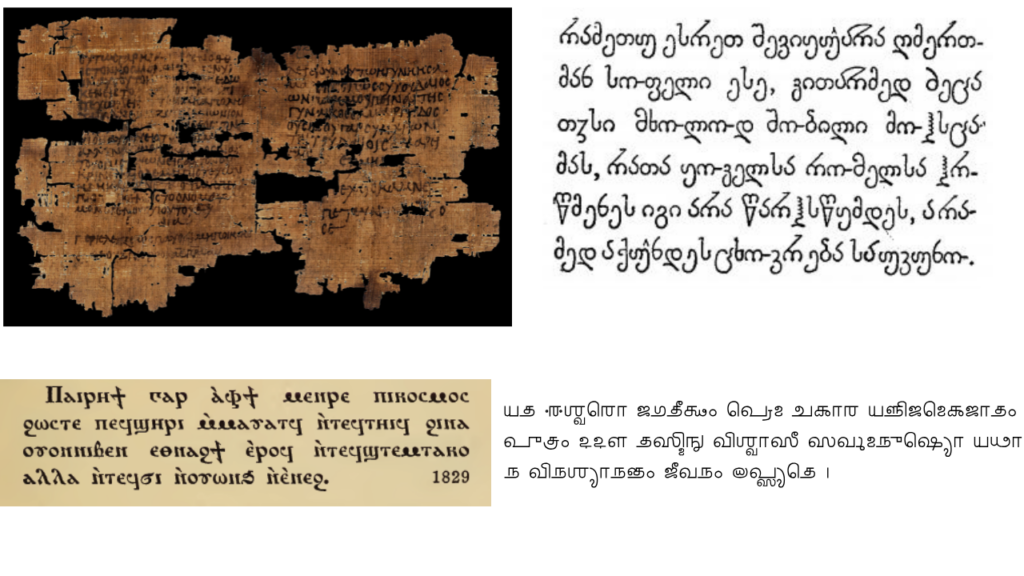
For God so loved the world that he gave his only Son, that whoever believes in him should not perish but have eternal life.
For God sent the Son into the world, not to condemn the world, but that the world might be saved through him.
He who believes in him is not condemned; he who does not believe is condemned already, because he has not believed in the name of the only Son of God.
And this is the judgment, that the light has come into the world, and men loved darkness rather than light, because their deeds were evil. For every one who does evil hates the light, and does not come to the light, lest his deeds should be exposed.
But he who does what is true comes to the light, that it may be clearly seen that his deeds have been wrought in God.
What do the Fathers say?
(Follow the links to learn more about the Fathers)
St John CHRYSOSTOM. as if He said, Marvel not that I must be lifted up, that you may be saved: for so it seemed good to the Father, who has so loved you, that He has given His Son to suffer for ungrateful and careless servants.
He who is without end, or beginning of existence, Infinite Greatness, loved those who were of earth and ashes, creatures laden with sins innumerable. And the act which springs from the love is equally indicative of its vastness. For God gave not a servant, or an Angel, or an Archangel, but His Son. Again, had He had many sons, and given one, this would have been a very great gift; but He has given His Only Begotten Son.
Slothful men in the multitude of their sins, and excess of carelessness, abuse God’s mercy, and say, there is no hell, no punishment; God remits us all our sins.
But let us remember, that there are two advents of Christ; one past, the other to come. The former was, not to judge but to pardon us: the latter will be, not to pardon but to judge us. It is of the former that He says, I have not come to judge the world.
Because He is merciful, instead of judgment, He grants an internal remission of all sins by baptism; and even after baptism opens to us the door of repentance, which had He not done all had been lost; for all have sinned, and come short of the glory of God.
He came to rescue them from darkness, and bring them to light. Who can pity him who does not choose to approach the light when it comes to him.
St HILARY. If it were only a creature given up for the sake of a creature, such a poor and insignificant loss would be no great evidence of love. They must be precious things which prove our love, great things must evidence its greatness. God, in love to the world, gave His Son, not an adopted Son, but His own, even His Only Begotten. Here is true Sonship, birth, truth: no creation, no adoption, no lie: here is the test of love and charity, that God sent His own and only begotten Son to save the world.
St THEOPHYLACT. The Son of God was impassible; (i.e incapable of suffering,) but being one in respect of His person with man, who was passible, the Son is said to be given up to death; inasmuch as He truly suffered, not in His own nature, but in His own flesh. From this death follows an exceedingly great and incomprehensible benefit: viz. that whosoever believes in Him should not perish, but have everlasting life. The Old Testament promised to those who obeyed it, length of days: the Gospel promises life eternal, and imperishable.
St AUGUSTINE. Why is He called the Saviour of the world, but because He saves the world? The physician, so far as his will is concerned, heals the sick. If the sick despises or will not observe the directions of the physician, he destroys himself.
St ALCUIN. Every one that does evil, hates the light; i. e. he who is resolved to sin, who delights in sin, hates the light, which detects his sin.