
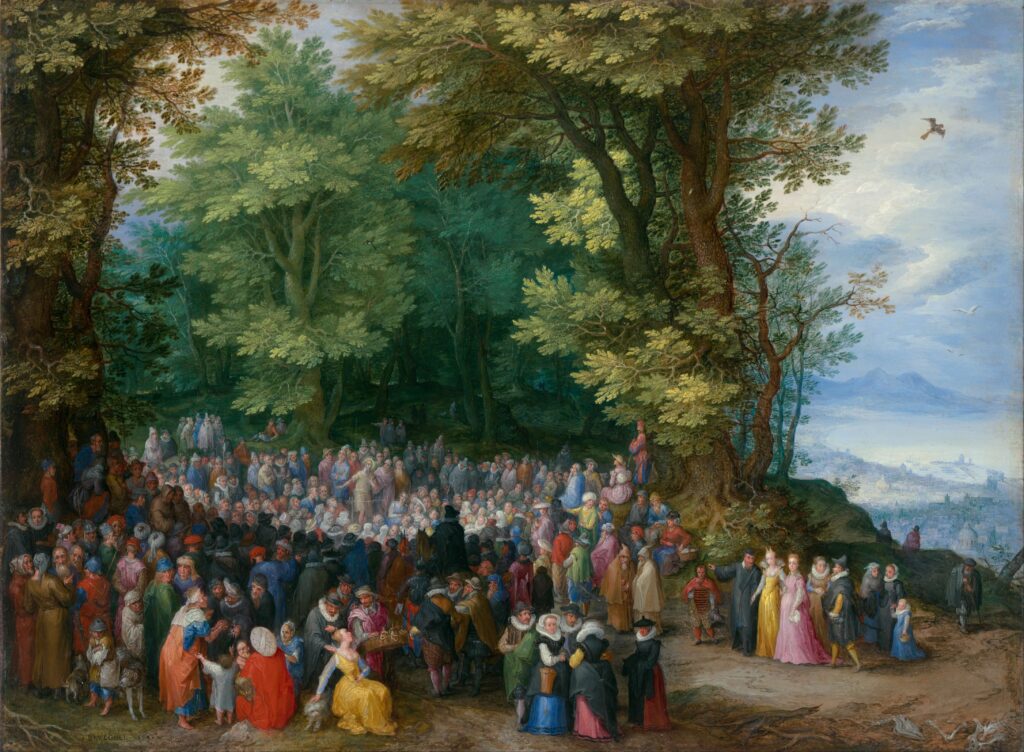
Gospel Reading : Matthew 10:37-42
He who loves father or mother more than me is not worthy of me; and he who loves son or daughter more than me is not worthy of me; and he who does not take his cross and follow me is not worthy of me.
He who finds his life will lose it, and he who loses his life for my sake will find it.
“He who receives you receives me, and he who receives me receives him who sent me. He who receives a prophet because he is a prophet shall receive a prophet’s reward, and he who receives a righteous man because he is a righteous man shall receive a righteous man’s reward. And whoever gives to one of these little ones even a cup of cold water because he is a disciple, truly, I say to you, he shall not lose his reward.”
What do the Fathers say?
St JEROME. This order is needed in every affection; after God love thy father, thy mother, and thy children; but if a necessity should occur that the love of parents and children comes into competition with the love of God, and where both cannot be preserved, remember that hatred of our kindred becomes then love to God. He forbids not to love parent or child, but adds emphatically, “more than me.”
St John CHRYSOSTOM. When Paul bids us obey our parents in all things, we are not to marvel; for we are only to obey in such things as are not hurtful to our piety to God.
St RABANUS. He is unworthy of the divine communion who prefers the carnal affection of kindred to the spiritual love of God.
St HILARY. They that are Christ’s have crucified the body with its vices and lusts. (Gal. 5:24.) And he is unworthy of Christ who does not take up His cross, in which we suffer with Him, die with Him, are buried and rise again with Him, and follow his Lord, purposing to live in newness of spirit in this sacrament of the faith.
Thus the gain of life brings death, the loss of life brings salvation; for by the sacrifice of this short life we gain the reward of immortality.
Pope St GREGORY. the Great . There are two ways in which we bear the Lord’s cross; either when we afflict the flesh by abstinence; or when in compassion for our neighbour we make his afflictions our own.
But it should be known that there are some who make a show of abstinence not for God, but for ostentation; and some there are who show compassion to their neighbour, not spiritually but carnally, not that they may encourage him in virtue, but rather countenancing him in faults. These indeed seem to bear their cross, but do not follow the Lord; therefore He adds, And follow me.
St REMIGIUS. The life in this place is not to be understood as the substance, (the soul,) but as this present state of being; and the sense is, He who finds his life, i. e. this present life, he who so loves this light, its joys and pleasures, as to desire that he may always find them; he shall lose that which he wishes always to keep, and prepares his soul for eternal damnation.
And he who in confession of My name in time of persecution despises this temporal world, its joys, and pleasures, shall find eternal salvation for his soul.
Sources:
Bible readings from the Revised Standard Version of the Bible, Second Catholic Edition, copyright © 2006 National Council of the Churches of Christ in the USA
Quotes of the Fathers from Thomas Aquinas’ Catena Aurea Translated by St John Henry Newman
Artwork ex Wikimedia Commons