
Gospel Reading : Matthew 13:24-43
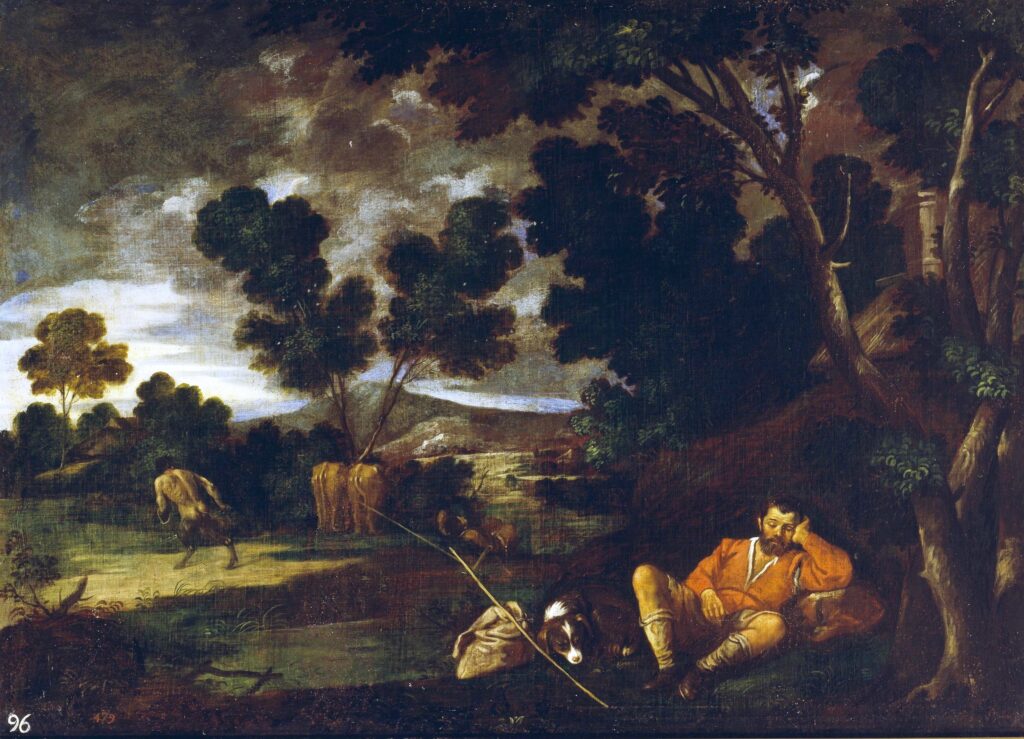
Another parable he put before them, saying, “The kingdom of heaven may be compared to a man who sowed good seed in his field; but while men were sleeping, his enemy came and sowed weeds among the wheat, and went away.
So when the plants came up and bore grain, then the weeds appeared also. And the servants of the householder came and said to him, ‘Sir, did you not sow good seed in your field? How then has it weeds?’
He said to them, ‘An enemy has done this.’ The servants said to him, ‘Then do you want us to go and gather them?’
But he said, ‘No; lest in gathering the weeds you root up the wheat along with them. Let both grow together until the harvest; and at harvest time I will tell the reapers, Gather the weeds first and bind them in bundles to be burned, but gather the wheat into my barn.’”
Another parable he put before them, saying, “The kingdom of heaven is like a grain of mustard seed which a man took and sowed in his field; it is the smallest of all seeds, but when it has grown it is the greatest of shrubs and becomes a tree, so that the birds of the air come and make nests in its branches.”
He told them another parable. “The kingdom of heaven is like leaven which a woman took and hid in three measures of meal, till it was all leavened.”
All this Jesus said to the crowds in parables; indeed he said nothing to them without a parable. This was to fulfil what was spoken by the prophet:
“I will open my mouth in parables,
I will utter what has been hidden since the foundation of the world.”
Then he left the crowds and went into the house. And his disciples came to him, saying, “Explain to us the parable of the weeds of the field.”
He answered, “He who sows the good seed is the Son of man; the field is the world, and the good seed means the sons of the kingdom; the weeds are the sons of the evil one, and the enemy who sowed them is the devil; the harvest is the close of the age, and the reapers are angels.
Just as the weeds are gathered and burned with fire, so will it be at the close of the age.
The Son of man will send his angels, and they will gather out of his kingdom all causes of sin and all evildoers, and throw them into the furnace of fire; there men will weep and gnash their teeth.
Then the righteous will shine like the sun in the kingdom of their Father.
He who has ears, let him hear.
What do the Fathers say?
St John CHRYSOSTOM. He points out the manner of the Devil’s snares, saying, While men slept, his enemy came and sowed weeds in the midst of the wheat, and departed. He here shows that error arose after truth, as indeed the course of events testifies; for the false prophets came after the Prophets, the false apostles after the Apostles, and Antichrist after Christ. For unless the Devil sees somewhat to imitate, and something to lay in wait against, he does not attempt any thing.
Therefore because he saw that this man bears fruit and that he was not able to carry off or to choke that which had. taken root, he turns to other insidious practices, mixing up his own seed, which is a counterfeit of the true, and thereby imposes upon such as are prone to be deceived.
Further, the malignity of the Devil is shown in this, that he sowed when all else was completed, that he might do the greater hurt to the farmer.
He is called the enemy on account of the losses he inflicts on men; for the assaults of the Devil are made upon us, though their origin is not in his enmity towards us, but in his enmity towards God.
St AUGUSTINE. And when the servants of God knew that it was the Devil who had contrived this fraud, whereby when he found that he had no power in open warfare against a Master of such great name, he had introduced his fallacies under cover of that name itself, the desire might readily arise in them to remove such men from out of human affairs if opportunity should be given them; but they first appeal to God’s justice whether they should so do; The servants said, Wilt thou that we go and gather them out?
St John CHRYSOSTOM. Wherein observe the thoughtfulness and affection of the servants; they hasten to root up the tares, thus showing their anxiety about the good seed; for this is all to which they look, not that any should be punished, but that that which is sown should not perish. The Lord’s answer follows, And he saith unto them, Nay.
St JEROME. For room for repentance is left, and we are warned that we should not hastily cut off a brother, since one who is to-day corrupted with an erroneous dogma, may grow wiser tomorrow, and begin to defend the truth; wherefore it is added, Lest in gathering together the weeds you root out the wheat also.
Sources:
Bible readings from the Revised Standard Version of the Bible, Second Catholic Edition, copyright © 2006 National Council of the Churches of Christ in the USA
Quotes of the Fathers from :
Thomas Aquinas’ Catena Aurea Translated by St John Henry Newman
Artwork ex Wikimedia Commons