Feast Day : 7 August
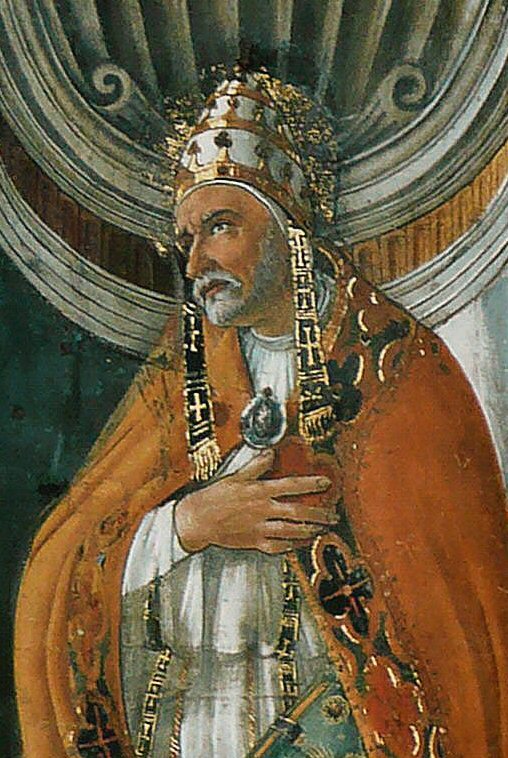
Pope Saint Sixtus II was the 24th Pope of the Catholic Church, reigning for less than a year (August 31 257 to 6 August 258 AD). His short papacy was defined by remarkable peacemaking within the Church and, ultimately, a dramatic martyrdom alongside his deacons under the Roman Emperor Valerian.
Historical Context: Valerian’s Persecution
In 257 AD, Emperor Valerian issued his first edict against Christians, ordering clergy to offer sacrifices to Roman gods and banning Christian assemblies in public places and catacombs.
In the summer of 258 AD, Valerian escalated the persecution with a second edict: bishops, priests, and deacons were to be executed immediately without trial, while Christian nobility were stripped of titles, property, and exiled or killed.
The Raid on the Catacombs (August 6, 258 AD)
Despite the ban, Pope Sixtus II gathered with the Christian community in the secret underground passages of the Catacomb of Callixtus along the Appian Way.
- On August 6, 258 AD—the Feast of the Transfiguration—while Sixtus II was sitting on his episcopal chair (cathedra) addressing the congregation and celebrating the Eucharist, Roman soldiers burst into the subterranean chapel.
- Knowing he was the primary target, Sixtus II stood up and offered himself to save his flock. The soldiers immediately beheaded him while he sat in his chair, leaving the chair stained with his blood.
Who Were His Companions?
Pope Sixtus II was martyred alongside six of his seven deacons:
- Martyred with him on August 6 in the Catacomb of Callixtus:
- St. Januarius
- St. Vincent
- St. Magnus
- St. Stephanus
- Martyred on the same day in the nearby Catacomb of Praetextatus:
- St. Felicissimus
- St. Agapitus
The seventh deacon of Rome at the time was Saint Lawrence, who was famously martyred on a gridiron.on August 10, 258 AD.
Legacy & Liturgical Feast
- Burial Place: Pope Sixtus II was buried in the Crypt of the Popes in the Catacomb of Callixtus.
In the 4th century, Pope Damasus I composed a famous Latin inscription that was carved onto a plaque placed at his tomb. (see below) - Liturgical Calendar: While Sixtus and his companions died on August 6th, their feast day is celebrated on August 7 in the Roman Catholic Church to avoid conflicting with the major Feast of the Transfiguration of the Lord on August 6.
- Eucharistic Prayer: Pope Sixtus II and St. Lawrence are both commemorated by name in the Canon of the Mass (Eucharistic Prayer I).
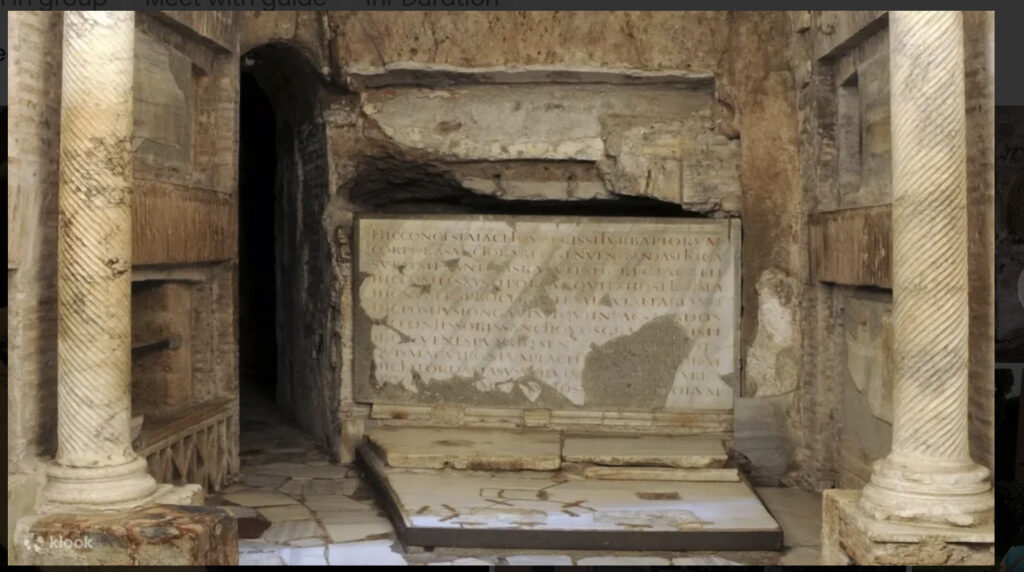
The Inscription Text:
Original Latin
Tempore quo gladius secuit pia viscera matris,
hic positus rector caelestia iussa docebat.
adveniunt subito rapiunt qui forte sedentem,
militibus missis populi tunc colla dedere.
mox ubi cognovit senior quis tollere vellet
palmam, seque suumque caput prior optulit ipse,
inpatiens feritas posset ne laedere quemquam.
ostendit Christus, reddit qui praemia vitae,
pastoris meritum, numerum gregis ipse tuetur.
English Translation
“At that time when persecution’s sword cut at our mother’s holy innards,
here in this place the bishop was teaching the heavenly commands.
Suddenly men arrive to seize him whom by chance they find sitting there.
To the soldiers who had been sent the people then offered their necks.
As soon as the older man understood who wanted to take (from him) the victory palm,
he offered himself and his own life first of all,
unwilling that savagery be able to harm anyone.
Christ, who assigns the reward of life, displays
the merit of the shepherd; he himself watches over the full number of his flock.”
Sources:
Catholic Encyclopaedia
Wikipedia