
First Reading : Ephesians 6:10-20
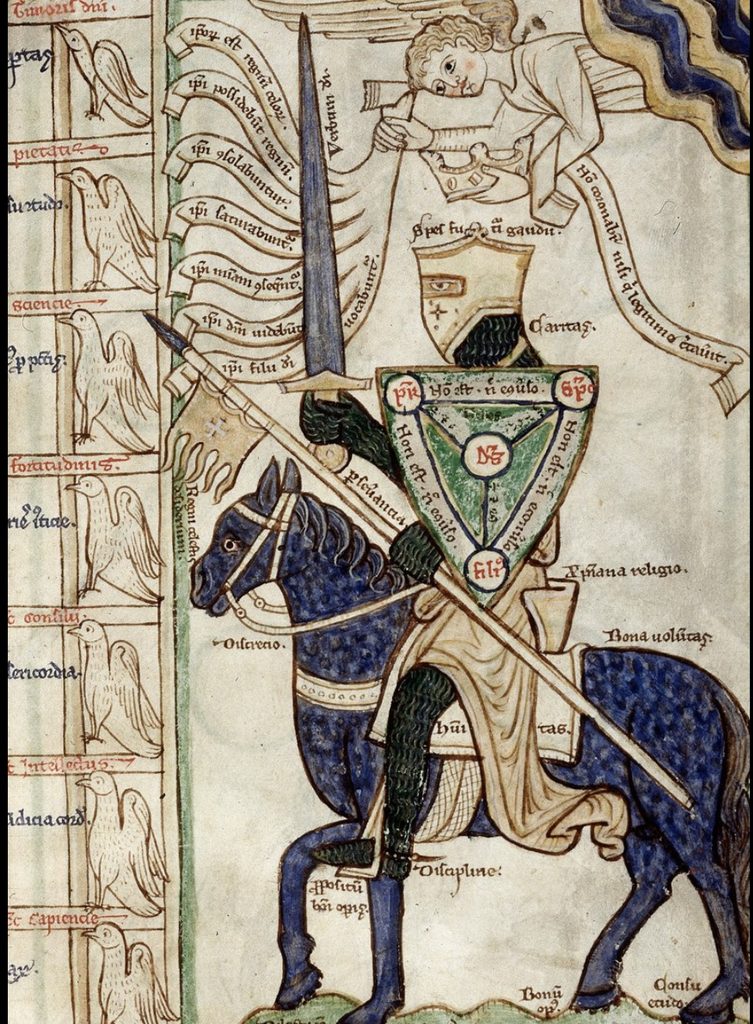
Finally, be strong in the Lord and in the strength of his might. Put on the whole armor of God, that you may be able to stand against the wiles of the devil.
For we are not contending against flesh and blood, but against the principalities, against the powers, against the world rulers of this present darkness, against the spiritual hosts of wickedness in the heavenly places.
Therefore take the whole armor of God, that you may be able to withstand in the evil day, and having done all, to stand. Stand therefore, having girded your loins with truth, and having put on the breastplate of righteousness, and having shod your feet with the equipment of the gospel of peace; above all taking the shield of faith, with which you can quench all the flaming darts of the evil one.
And take the helmet of salvation, and the sword of the Spirit, which is the word of God. Pray at all times in the Spirit, with all prayer and supplication. To that end keep alert with all perseverance, making supplication for all the saints, and also for me, that utterance may be given me in opening my mouth boldly to proclaim the mystery of the gospel, for which I am an ambassador in chains; that I may declare it boldly, as I ought to speak.
Gospel Reading : Luke 13:31-35
At that very hour some Pharisees came, and said to him, “Get away from here, for Herod wants to kill you.”
And he said to them, “Go and tell that fox, ‘Behold, I cast out demons and perform cures today and tomorrow, and the third day I finish my course. Nevertheless I must go on my way today and tomorrow and the day following; for it cannot be that a prophet should perish away from Jerusalem.’
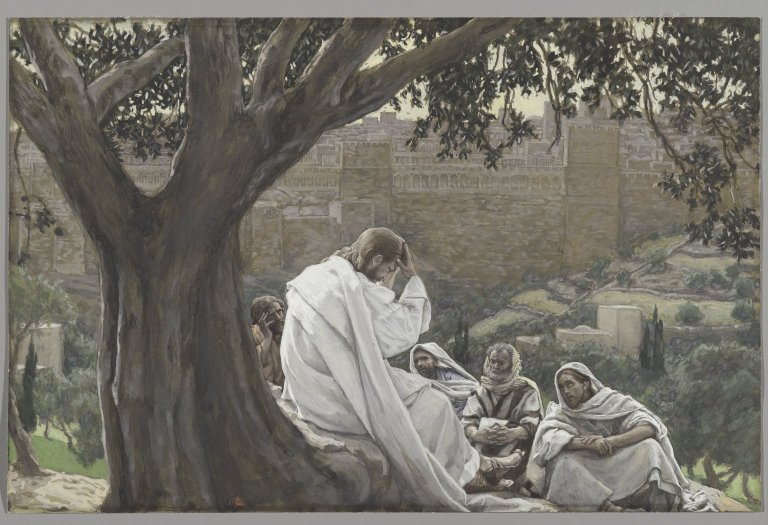
O Jerusalem, Jerusalem, killing the prophets and stoning those who are sent to you! How often would I have gathered your children together as a hen gathers her brood under her wings, and you would not!
Behold, your house is forsaken. And I tell you, you will not see me until you say, ‘Blessed is he who comes in the name of the Lord!’”
What do the Fathers say?
St John CHRYSOSTOM comments on the First Reading:
Having said that the enemies are fierce, he adds further, that they despoil us of vast blessings. What are these? The conflict lies in the heavenlies; the struggle is not about riches, not about glory, but about our being enslaved. And thus is the enmity irreconcilable.
It is not that they may gain anything by the conquest, but that they may despoil us. Observe how the power of the enemy startles us; how it makes us all circumspection, to know that the hazard is on behalf of vast interests, and the victory for the sake of great rewards. For the enemy is doing his best to cast us out of Heaven.
He(Paul) speaks not merely of doing the deed, but of completing it, so as not only to slay, but to stand also after we have slain. For many who have gained this victory, have fallen again. Having done, says he, all; not having done one, but not the other. For even after the victory, we must stand. An enemy may be struck, but things that are struck revive again if we do not stand. But if after having fallen they rise up again, so long as we stand, they are fallen. So long as we waver not, the adversary rises not again.
If then it is a warfare, if such are the forces arrayed against us, if the principalities are incorporeal, if they are rulers of the world, if they are the spiritual hosts of wickedness, how, tell me, can you live in self-indulgence? How can you be dissolute? How if we are unarmed, shall we be able to overcome? These words let every one repeat to himself every day, whenever he is under the influence of anger, or of lust, whenever he is aiming, and all to no profit, after this languid life. Let him hearken to the blessed Paul, saying to him, Our wrestling is not against flesh and blood, but against the principalities, against the powers. A harder warfare this than that which is matter of sense, a fiercer conflict.
Think how long time this enemy is wrestling, for what it is that he is fighting, and be more guarded than ever.
Comments on the Gospel Reading:
St CYRIL OF ALEXANDRIA. The Pharisees are roused to anger. For they perceived that the people were now smitten in their hearts, and eagerly receiving His faith. For fear then of losing their office as rulers of the people, with pretended love for Him, they try to persuade Him to depart from there.
He promises to do what was displeasing to the Jews, namely, to command the evil spirits, and deliver the sick from disease, until in His own person He should undergo the suffering of the cross.
But because the Pharisees thought that He who was the Lord of hosts, feared the hand of Herod. He refutes this, saying, Nevertheless I must go on my way today and tomorrow and the day following; for it cannot be that a prophet should perish away from Jerusalem.’ When He says must, He by no means implies a necessity imposed upon Him, but rather that He walked where He liked according to the inclination of His will, until He should come to the end of the dreadful cross, the time of which Christ shows to be now drawing near.
St AUGUSTINE. Or these things are understood to have been spoken mystically by Him, so as to refer to His body, which is the Church. For devils are cast out when the Gentiles having forsaken their superstition, believe in Him. And cures are perfected when according to His commands, after having renounced the devil and this world until the end of the resurrection, (by which as it were the third day will be completed,) the Church shall be perfected in angelical fulness by the immortality also of the body.
St THEOPHYLACT. But because they said to Him, “Get away from here, for Herod wants to kill you.”, speaking in Galilee where Herod reigned, He shows that not in Galilee, but in Jerusalem it had been fore-ordained that He should suffer. For it can not be that a prophet perish out of Jerusalem. When you hear this, think not that any violent constraint was imposed upon the Jews, but He says this with reference to their eager desire after blood.
For accustomed to the blood of His prophets, they will also kill the Lord; O Jerusalem, Jerusalem, killing the prophets and stoning those who are sent to you!
St CYRIL OF ALEXANDRIA. Now that they were unmindful of the Divine blessings He proves as follows, How often would I have gathered your children together as a hen gathers her brood under her wings, and you would not! He led them by the hand of Moses full of all wisdom. He warns them by His prophets, He wished to have them under His wings, but they deprived themselves of these choice blessings, through their ingratitude.
For our Lord had departed from Jerusalem, as it were abandoning those who were unworthy of His presence, and afterwards returned to Jerusalem, having performed many miracles, when that crowd meets Him, saying,HOsanna to the Son of David, blessed is he that comes in the name of the Lord.
Sources:
Bible readings from the Revised Standard Version of the Bible, Second Catholic Edition, copyright © 2006 National Council of the Churches of Christ in the USA
Quotes of the Fathers from
Thomas Aquinas’ Catena Aurea Translated by St John Henry Newman
Artwork ex Wikimedia Commons