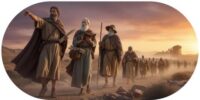
Memorial 23 April
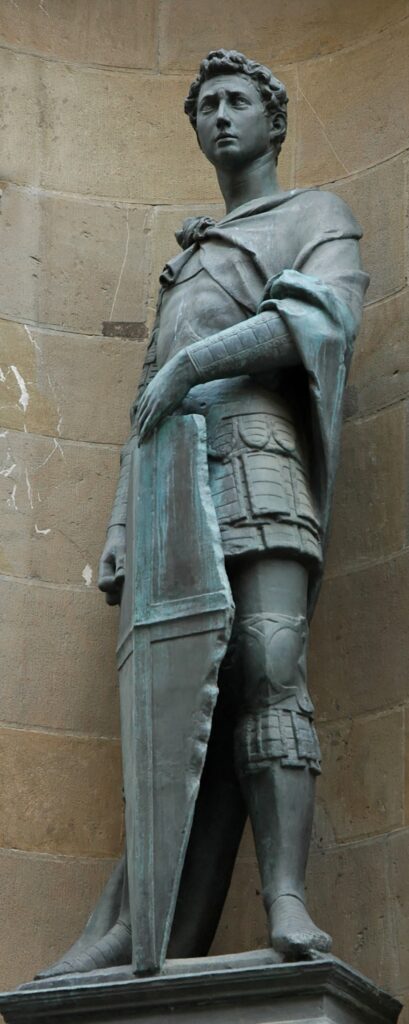
St. George, Martyr (c. 280–303 AD)
The Faithful Soldier
- Origin: He was born in Cappadocia (modern-day Turkey) to noble Christian parents. His father was a Roman official, and his mother was from Lydda, Palestine.
- The Career: George followed in his father’s footsteps into the Roman army. He rose quickly through the ranks, eventually becoming a tribune and a member of the imperial guard for Emperor Diocletian.
- The Conflict: In 303 AD, Diocletian issued an edict authorizing the systematic persecution of Christians. George, refusing to hide his faith, personally confronted the Emperor and tore up the edict.
- The Professio: ““My first and most precious name is Christian; but if you ask my worldly name, I am called George. I am a servant of Christ, my God, and confiding in Him, I have come into the midst of you of my own accord, to bear witness to the Truth.”
In the Roman world, a ‘Professio’ was a formal declaration of status. When George stood before Diocletian, he used the Emperor’s own legal language to declare a new allegiance. He didn’t just ‘say’ he was a Christian; he made it his legal identity, knowing it was a death sentence. As the ancient Greek Acts tell us, he traded his military commission for a heavenly one. - The Martyrdom: He was arrested and subjected to horrific tortures (including a wheel of blades and heavy stones) but refused to offer sacrifice to the Roman gods. He was finally decapitated at Lydda.
- He is the archetypal “Soldier of Christ.” He represents the Logic of Fortitude—the belief that the King of Heaven is the only commander whose orders are final.