
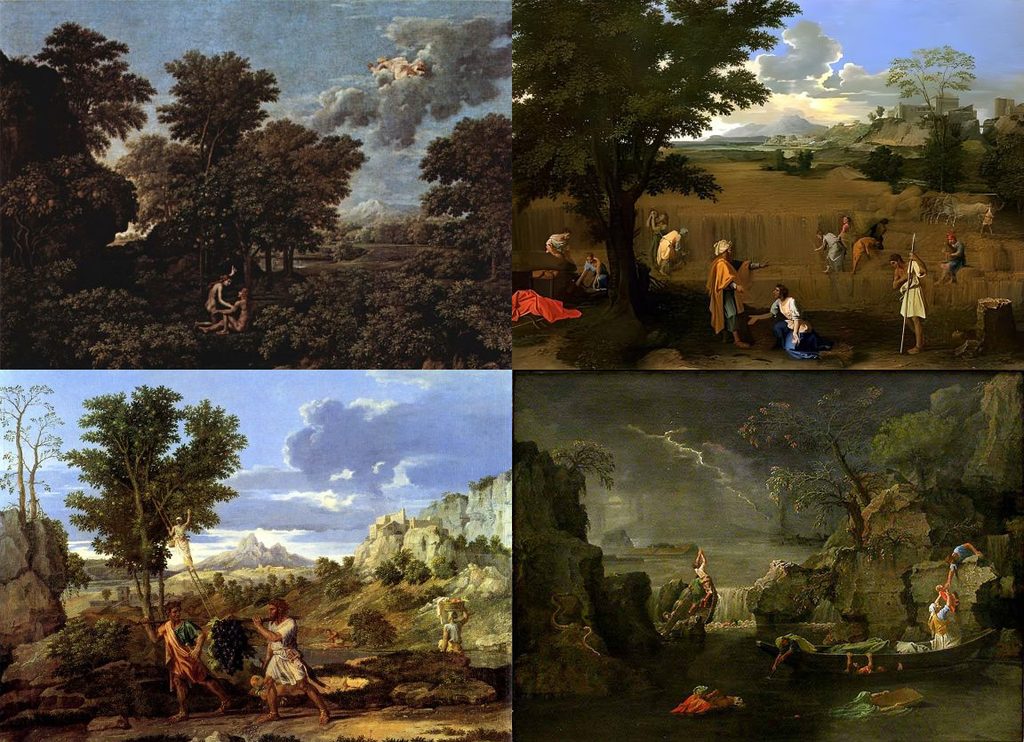
First Reading :Ecclesiastes 3:1-11
For everything there is a season, and a time for every matter under heaven:
a time to be born, and a time to die;
a time to plant, and a time to pluck up what is planted;
a time to kill, and a time to heal;
a time to break down, and a time to build up;
a time to weep, and a time to laugh;
a time to mourn, and a time to dance
a time to cast away stones, and a time to gather stones together;
a time to embrace, and a time to refrain from embracing;
a time to seek, and a time to lose;
a time to keep, and a time to cast away;
a time to rend, and a time to sew;
a time to keep silence, and a time to speak;
a time to love, and a time to hate;
a time for war, and a time for peace.
I have seen the business that God has given to the sons of men to be busy with.
He has made everything beautiful in its time;
also he has put eternity into man’s mind,
yet so that he cannot find out what God has done from the beginning to the end
Gospel Reading : Luke 9:18-22
Now it happened that as he was praying alone the disciples were with him; and he asked them, “Who do the people say that I am?”
And they answered, “John the Baptist; but others say, Eli′jah; and others, that one of the old prophets has risen.”
And he said to them, “But who do you say that I am?”
And Peter answered, “The Christ of God.”
But he charged and commanded them to tell this to no one, saying, “The Son of man must suffer many things, and be rejected by the elders and chief priests and scribes, and be killed, and on the third day be raised.”
What do the Fathers say?
About the First Reading :
St BASIL the Great. It is necessary to bear in mind that for certain other tasks a particular time is allotted, according to the words of Ecclesiastes: “All things have their season.” For prayer and psalmody, however, every hour is suitable, that, while our hands are busy at their tasks, we may praise God.
St GREGORY NAZIANZEN. Sow in good season, and gather together, and open your barns when it is the time to do so; and plant in season, and let the clusters be cut when they are ripe, and launch boldly in spring, and draw your ship on shore again at the beginning of winter, when the sea begins to rage.
In short a time for everything, if you will follow Solomon’s advice. And it is best to do so, for the advice is profitable.
But the work of your salvation is one upon which you should be engaged at all times. If you are always passing over today and waiting for tomorrow, by your little procrastinations you will be cheated without knowing it by the evil one, as his manner is. Give to me, he says, the present, and to God the future; to me your youth, and to God old age; to me your pleasures, and to him your uselessness. How great is the danger that surrounds you. How many the unexpected mischances. But if you would fortify yourself beforehand with the seal and secure yourself for the future with the best and strongest of all aids, being signed both in body and in soul with the unction, as Israel was of old with that blood and unction of the firstborn at night that guarded him, what then can happen to you, and what has been wrought out for you?
If all things forsake you or be taken violently away from you; money, possessions, thrones, distinctions, and everything that belongs to this early turmoil, yet you will be able to lay down your life in safety, having suffered no loss of the helps which God gave you unto salvation.
We ought to think of God even more often than we draw our breath; and if the expression is permissible, we ought to do nothing else—and by this recollection we are to be molded to purity.
TERTULLIAN. What, then, is the Paraclete’s administrative office but this: the direction of discipline, the revelation of the Scriptures, the reformation of the intellect, the advancement toward the “better things”? Nothing is without stages of growth: all things await their season. In short, the Preacher says, “A time to everything.” Look how creation itself advances little by little to fruitfulness. First comes the grain, and from the grain arises the shoot, and from the shoot struggles out the shrub. Thereafter boughs and leaves gather strength, and the whole that we call a tree expands. Then follows the swelling of the germen, and from the germen bursts the flower, and from the flower the fruit opens. That fruit itself, rude for a while, and unshapely, little by little, keeping the straight course of its development, is trained to the mellowness of its flavor. So, too, righteousness—for the God of righteousness and of creation is the same—was first in a rudimentary state, having a natural fear of God. From that stage it advanced, through the law and the prophets, to infancy. From that stage it passed, through the gospel, to the fervor of youth; now, through the Paraclete, it is settling into maturity.
St ATHANASIUS. This is written in the Scriptures and is manifest to all. For although it be hidden and unknown to all, what period of time is allotted to each, and how it is allotted; yet every one knows this, that as there is a time for spring and for summer, and for autumn and for winter, so, as it is written, there is a time to die, and a time to live.
St GREGORY of Nyssa. It is right that at the start he makes this tight bond linking death to birth; for death inevitably follows birth, and everything born dissolves in decay. He intends, through the demonstration that death and birth are connected, by using the reference to death as a goad, to wake from sleep those who are sunk deep in fleshly existence and love this present life, and to rouse them in awareness of the future.
About the Gospel Reading :
CYRIL OF ALEXANDRIA. Our Lord having retired from the multitude, and being in a place apart, was engaged in prayer. As it is said, And it came to pass, as he was alone praying. For He ordained Himself as an example of this, instructing His disciples by an easy method of teaching.
Now His engaging in prayer might perplex His disciples. For they saw Him praying like a man, Whom before they had seen performing miracles with divine power. In order then to banish all perplexity of this kind, He asks them this question, not because He did not know the reports which they had gathered from without, but that He might rid them of the opinion of the many, and instil into them the true faith.
But mark the subtle skill of the question. For he directs them first to the praises of strangers, that having overthrown these, He might beget in them the right opinion. So when the disciples had given the opinion of the people, He asks them their own opinion; as it is added, And He said to them, Who do you say that I am?
He excludes them from the other, that they may avoid their opinions; as if He said, You who by my decree are called to the Apostleship, the witnesses of my miracles, whom do you say that I am? But Peter anticipated the rest, and becomes the mouthpiece of the whole company, and launching forth into the eloquence of divine love, utters the confession of faith, as it is added, Peter answering said, The Christ of God.
When, however, the disciple had professed his faith, he charged them, it says, and commanded them to tell it to no one: “for the Son of man,” he said, “is about to suffer many things, and be rejected, and killed, and the third day he shall rise again.” And yet how was it not rather the duty of disciples to proclaim Him everywhere? For this was the very business of those appointed by him to the apostleship.
But as the sacred Scripture says, “There is a time for everything.” There were things yet unfulfilled which must also be included in their preaching of him, such as were the cross, the passion, the death in the flesh, the resurrection from the dead, that great and truly glorious sign by which testimony is borne of him that Emmanuel is truly God and by nature the Son of God the Father.
For that he utterly abolished death, and effaced destruction, and spoiled hell, and overthrew the tyranny of the enemy, and took away the sin of the world, and opened the gates above to the dwellers upon earth, and united earth to heaven; these things proved him to be in truth God. He commanded them, therefore, to guard the mystery by a seasonable silence until the whole plan of the dispensation should arrive at a suitable fulfillment.
Sources:
Bible readings from the Revised Standard Version of the Bible, Second Catholic Edition, copyright © 2006 National Council of the Churches of Christ in the USA
Quotes of the Fathers from :
Thomas Aquinas’ Catena Aurea Translated by St John Henry Newman
Catena Bible
Artwork ex Wikimedia Commons