
Saint of the Day St Norbert of Xanten – 6 June 2026
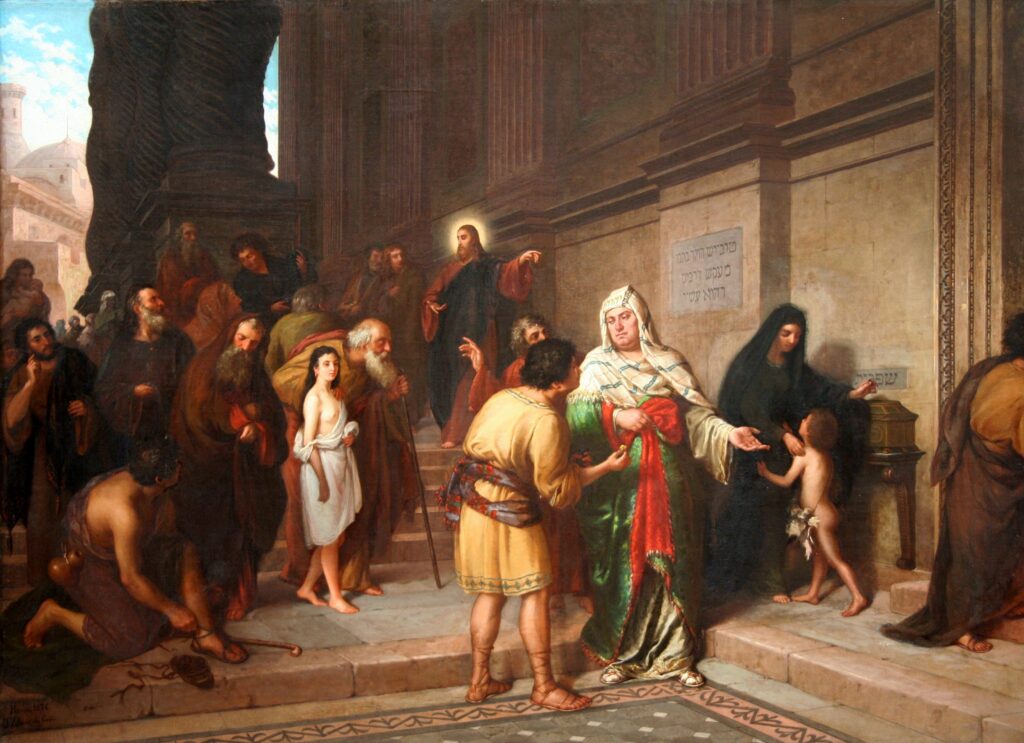
Gospel Reading: Mark 12:38-44
And in his teaching he said, “Beware of the scribes, who like to go about in long robes, and to have salutations in the market places and the best seats in the synagogues and the places of honour at feasts, who devour widows’ houses and for a pretence make long prayers. They will receive the greater condemnation.”
And he sat down opposite the treasury, and watched the multitude putting money into the treasury. Many rich people put in large sums. And a poor widow came, and put in two copper coins, worth a few cents. And he called his disciples to him, and said to them, “Truly, I say to you, this poor widow has put in more than all those who are contributing to the treasury. For they all contributed out of their abundance; but she out of her poverty has put in everything she had, her whole living.”
What do the Fathers say?
The Venerable BEDE comments on this Passage:
-To walk in long clothing is to go forth into public clad in much ornamented garments , in which amongst other things, that rich man, who fared sumptuously every day, is said to have sinned.
-We must observe that Our Lord does not forbid that they, to whom it falls by the rule of their office, should be saluted in the marketplace, or have chief seats and places at feasts, but He teaches that those who love those things unduly, whether they have them or not, are to be avoided by the faithful as wicked men: that is, He blames the intention and not the office
We are in two ways ordered to beware of those who are desirous of vain glory; first, we should not be seduced by their hypocrisy into thinking that what they do is good; nor secondly, should we be excited to imitate them, through a vain rejoicing in being praised for those virtues which they affect.
-But they do not only seek for praise from men, but also for gain. Wherefore there follows, Who devour widows’ houses, under the pretence of long prayers. For there are men who pretending to be just hesitate not to receive money from persons who are troubled in conscience, as though they would be their advocates in the judgment.
-God does not weigh the gift but the conscience of those who offer it; nor did He consider the smallness of the sum in her offering, but what was the store from which it came.
Therefore He adds, For they all contributed out of their abundance; but she out of her poverty has put in everything she had, her whole living.
-In an allegorical way, the rich men, who cast gifts into the treasury, point out the Jews puffed up with the righteousness of the law; the poor widow is the simplicity of the Church:
poor indeed, because she has cast away the spirit of pride and of the desires of worldly things; and a widow, because Jesus her husband has suffered death for her. She casts two coins into the treasury, because she brings the love of God and of her neighbour, or the gifts of faith and prayer; which are looked upon as insignificant, but measured by the merit of a devout intention are superior to all the proud works of the Jews.
The Jew sends of his abundance into the treasury, because he presumes on his own righteousness; but the Church sends her whole living into God’s treasury, because she understands that even her very living is of Divine grace.
Sources:
Bible readings from the Revised Standard Version of the Bible, Second Catholic Edition, copyright © 2006 National Council of the Churches of Christ in the USA
Quotes of the Fathers from Thomas Aquinas’ Catena Aurea Translated by St John Henry Newman
Artwork ex Wikimedia Commons